Onion, garlic, and ginger do something interesting when they’re chopped raw and left together in a jar: they start sharing their sharpest compounds with the liquid around them. That’s the real reason people get excited about this old kitchen mix for digestion, circulation, and everyday inflammation—not because it’s magic, but because these plants carry chemistry your body can actually work with.
The first smell is the giveaway. Open a jar like this after it has rested, and the aroma is no longer one-note; it’s layered, pungent, and warm, like a kitchen that’s been slowly waking up all day.
That matters because a lot of people are looking for something simple they can add to meals without buying powders or chasing the latest capsule. They want a small daily habit that feels grounded, cheap, and real.
And this trio fits that wish surprisingly well. There’s no patent on an onion, and that alone shapes how much attention a humble jar gets compared with flashier products that come with glossy labels and bigger marketing budgets.
The chemistry starts the moment the knife hits
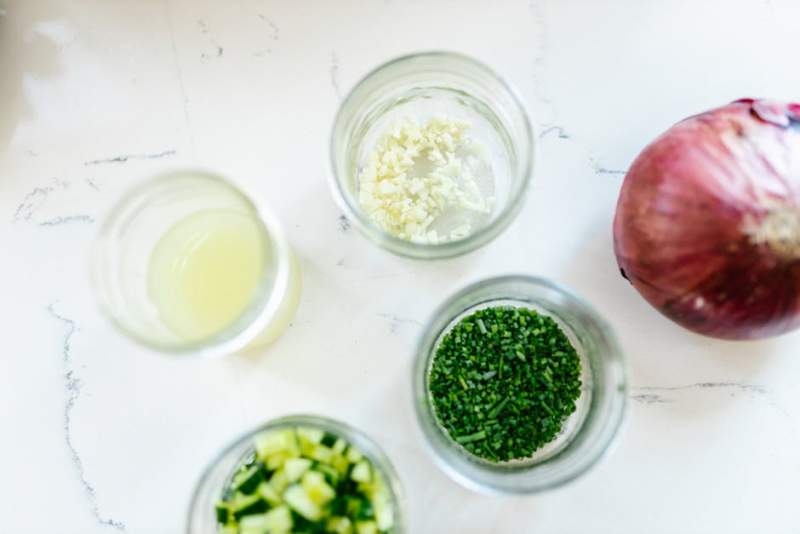
Garlic is the most dramatic of the three. When you crush or chop it, you break open cells that keep certain sulfur compounds apart from the enzyme that helps turn them into allicin, the compound most people are really talking about when they praise raw garlic.
That’s why the flat side of a knife matters more than people think. It’s not a ritual; it’s a cell-wall smash, like cracking a walnut shell so the useful part can actually meet the air and start changing.
Onion brings a different kind of support. Its flavonoids, including quercetin, are part of the plant’s built-in defense system, and in the body they’re studied for how they interact with oxidative stress and inflammatory signaling.
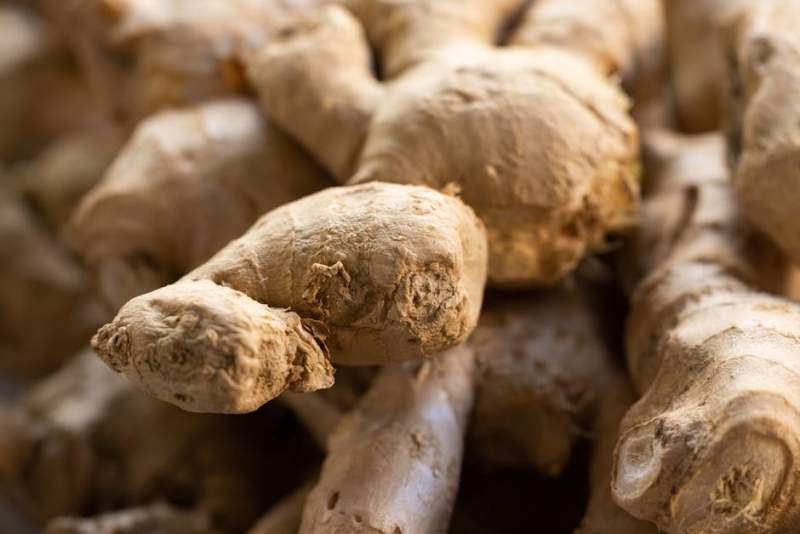
Ginger adds its own edge through gingerols and related compounds. These are the molecules that give fresh ginger its bite and help explain why ginger feels so useful after a heavy meal or on a sluggish morning.
The jar works because it keeps these compounds raw, cut, and in contact with one another long enough for the juices to mingle. That doesn’t turn vegetables into medicine, but it does create a concentrated little food matrix that’s more interesting than tossing the same ingredients into a hot pan and calling it a day.
What people tend to notice first
The first thing many people notice is not some dramatic internal overhaul. It’s a small shift in how meals sit: a little less heaviness, a little more interest from the stomach, a little less of that dull, overstuffed feeling after dinner.
That’s where ginger earns its reputation. It nudges digestion by interacting with the body’s motility and the way the stomach empties, which is why it has such a long history in traditional food use around nausea and fullness.
Picture a late supper that usually leaves you parked on the couch for an hour. A spoonful of this mixture folded into warm food doesn’t make the meal lighter by magic, but the ginger’s bite and the onion-garlic compounds can make the whole plate feel more awake.
The body without these plant compounds isn’t broken. It just has fewer raw materials from this particular corner of the food world, and that means fewer chances to tilt digestion in a favorable direction.
That’s the honest contrast. Not cure versus illness—just more biological input versus less.
Why circulation keeps coming up
Garlic is the one people most often connect with circulation, and for a reason that’s more grounded than hype. Research keeps pointing to garlic’s ability to nudge blood vessel function and support healthier blood flow, especially when it’s part of a consistent eating pattern rather than a one-off experiment.
Think of blood vessels like flexible roads. When the surface is functioning well, traffic moves more smoothly; when the lining is irritated or stiff, everything feels a little more congested.
That’s the lane garlic lives in. It doesn’t bulldoze the system; it nudges the vessel lining toward better signaling, which is why people often describe a subtle sense of “lighter” circulation over time rather than a sudden jolt.
The experience shows up differently depending on the person. Some notice it in how warm their hands feel on a cold morning, while others notice it in the way they recover from a salty meal or a long stretch of sitting.
That’s also why the preparation matters. Raw garlic has a different chemical profile than cooked garlic, and heat changes what survives long enough to do its work.
The gut gets a vote too
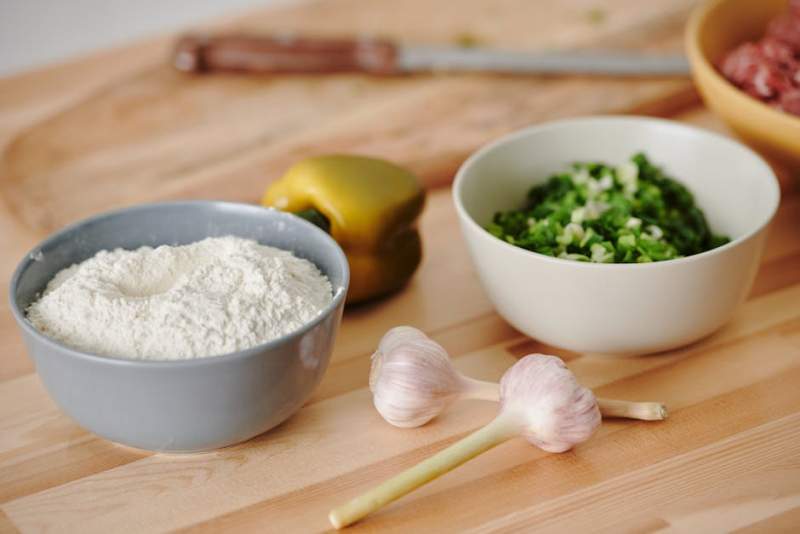
Onion is the quiet player here, and it may be the most underappreciated. Its fiber and prebiotic compounds give your gut bacteria something to actually work with, which matters because that microbial ecosystem in your belly talks to your brain more than most people realize.
It’s a little like feeding a compost pile instead of just tossing in scraps. The right material helps the whole system break things down more efficiently, and the byproducts can influence everything from regularity to how settled you feel after eating.
That’s one reason raw onion shows up in traditional food medicine so often. It’s not only about flavor; it’s about giving the gut microbes a more interesting substrate than a bland, stripped-down meal.
Women often describe the shift first as less bloating after dinner. Men may notice it more as a cleaner start to the morning, especially when the jar is used in place of heavier, more processed add-ons.
Different bodies notice different wins, but the mechanism stays the same: more plant compounds, more microbial activity, more chances for the gut to behave like a functioning ecosystem instead of a stalled one.
How to use it without overthinking it
The simplest version is also the most useful. Chop the ingredients, let them sit in a clean glass jar, and use a small spoonful as a finishing touch on food rather than cooking them hard from the start.
That last part matters. High heat can dull some of the compounds you’re trying to keep, especially in garlic, so the goal is to preserve the raw edge, not fry it out of the mixture.
There’s also a practical pairing note worth knowing: some of these plant compounds are better absorbed when they’re eaten with a little fat. A drizzle of olive oil, a few bites of avocado, or a meal that already contains eggs can help carry them along.
That’s not a miracle trick. It’s just how the body often handles plant chemicals—more like hitchhiking than teleporting.
Whole foods don’t get Super Bowl ads. The marketing math doesn’t work. But the biology is still there, quietly doing what it does when the food is prepared in a way that respects it.
A useful caution before you make a giant batch
If you take blood thinners, have a bleeding disorder, or are scheduled for surgery, don’t treat raw garlic like an unlimited free-for-all. Garlic can interact with clotting, and that’s a real safety issue worth respecting, not fearing.
The same adult rule applies to any big dietary change: more is not automatically better. A small, consistent amount with meals is usually a smarter place to start than trying to turn your fridge into a science project.
And if the jar smells too aggressive or starts looking off, trust your senses. Food should look like food, not like a chemistry experiment gone sideways.
The next layer is the pairing most people overlook: which fats help these compounds travel better, and which meal setups make the whole thing easier on your stomach.
This article is for informational purposes only and does not replace professional medical advice. If you’re managing a health condition or taking medication, talk to your healthcare provider before making significant dietary changes.