Red onion doesn’t sit in your body like decoration. It unloads quercetin and sulfur compounds that act like a tiny cleanup crew, helping blunt the glucose surge that can slam into your bloodstream after a meal and leave you feeling like you’ve been hit with a sandbag.
That matters when the number on the meter starts flirting with the wrong direction and the afternoon turns into a foggy, shaky grind. You eat, you clean up, you sit down for five minutes, and suddenly your focus is leaking out of your head like air from a punctured tire.
This is not about “healthy vibes.” It’s about forcing a different chemical response inside the body.
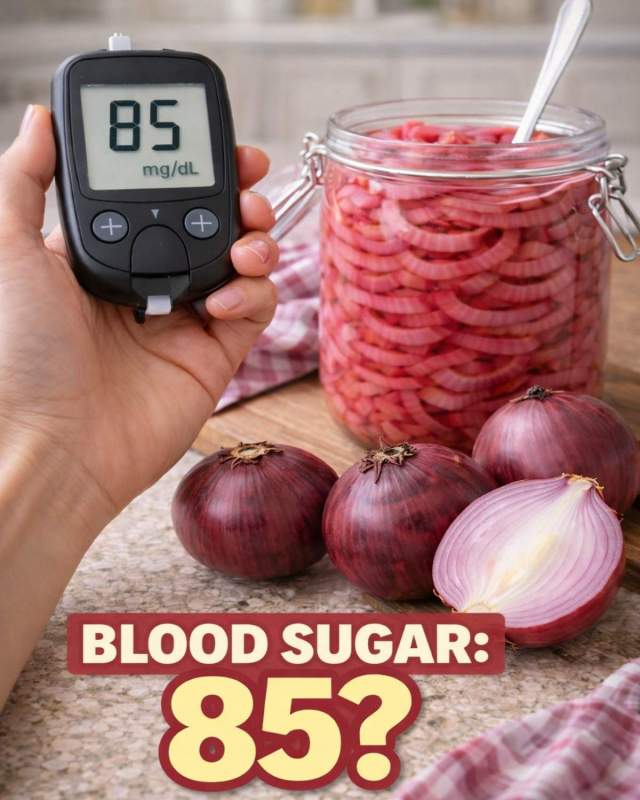
The Cellular Brake Pedal Your Meals Rarely Get
When red onion shows up in the right form, it doesn’t behave like garnish. It acts more like a brake pedal on a runaway cart, slowing the rush of sugar that can otherwise flood the system and make your energy spike, then collapse.
Think of your bloodstream like a busy highway after rush hour. A heavy carb meal can dump traffic onto that road all at once, and your cells get stuck in the jam while your pancreas scrambles to manage the chaos.
Quercetin steps into that mess like a traffic cop with a whistle and a hard stare. It helps calm the oxidative stress that piles up around poor glucose handling, while the vinegar in pickled red onion adds another layer of pressure on the post-meal rise.
That’s why this simple kitchen move has people staring at their meter with a different expression. Not panic. Not guessing. Just a clearer read on what their body is doing instead of what the food industry keeps normalizing.
The supplement machine would go bankrupt if people knew how much leverage sits in a cheap red onion and a splash of vinegar. There’s no glossy bottle, no celebrity pitch, no boardroom profit margin — just a produce drawer fix that doesn’t need a marketing budget.
Why the Crash Feels So Violent
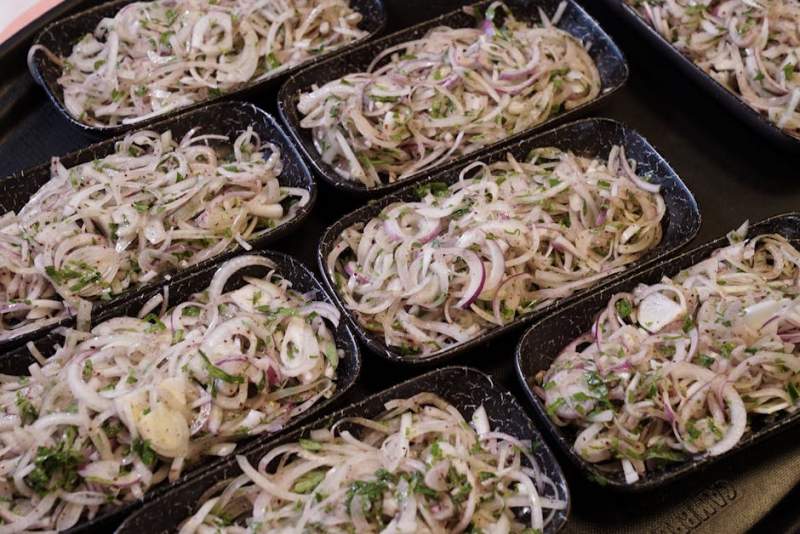
When blood sugar swings hard, the body doesn’t whisper. It hammers you with tired eyes, a hollow stomach, cranky nerves, and the kind of brain fog that makes simple tasks feel weirdly heavy.
It’s like trying to run a house with the power flickering every ten minutes. The lights come on, then dim, then surge again, and nobody inside can relax because the system itself won’t stay steady.
That is the ugly contrast when red onion is missing from the picture and meals are built from fast-digesting carbs alone. The body gets a flood without a governor, and the aftermath is the slump people blame on age, stress, or “just getting older.”
That blame is convenient. It keeps the real issue hidden: most meals are engineered for taste and speed, not for keeping your internal chemistry from careening off the rails.
The first thing people notice is not magic. It’s fewer of those brutal after-meal dips that make the whole day feel broken.
Why Women Notice the Shift in a Different Way
For women juggling work, family, and a body that already gets pushed around by hormones, the real win is often not just the meter reading. It’s the emotional relief of not getting ambushed by a crash right when the day gets demanding.
Picture the afternoon school pickup, the inbox that won’t stop, and the half-finished lunch sitting like a brick in your stomach. Then add the familiar wave of irritability that makes everything feel louder than it should.
Red onion helps turn that down by smoothing the post-meal spike that can feed the crash-and-crave cycle. It’s like swapping a cracked windshield for clean glass — suddenly you can see the road instead of fighting the blur.
And because pickled red onion is easy to layer onto real food, it doesn’t demand a new lifestyle. It slides onto eggs, salads, grain bowls, and leftovers like a sharp little insurance policy against the blood sugar roller coaster.
Why Men Feel It in Their Workday First
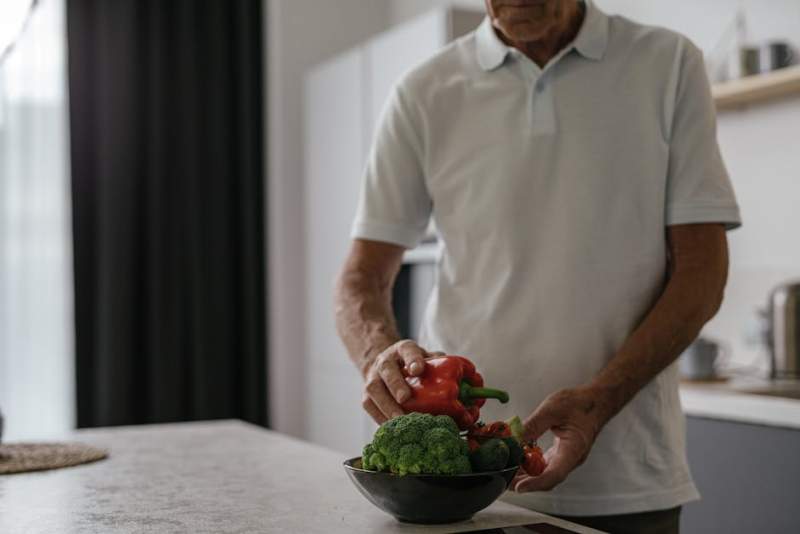
Men often notice the damage in performance before they name it as blood sugar. The slump shows up as slower thinking, weaker drive, and that strange afternoon drag that feels like someone stuffed wet towels inside the brain.
It’s the difference between a tool with a fresh battery and one that keeps dying under load. Same job, same desk, same meeting — but one body keeps dropping voltage because the meal before it was built like a sugar bomb.
Red onion, especially when paired with vinegar, helps interrupt that pattern. It doesn’t turn lunch into a miracle; it changes the terrain so the body isn’t constantly fighting the aftermath of what was just eaten.
That’s the part nobody likes to say out loud: the cheapest fix gets the least airtime because nobody can slap a logo on it and sell it for $79 a month.
The Pickle Jar Trick That Changes the Game
Quick-pickled red onion is not just red onion in a different outfit. The vinegar bath changes how it lands in a meal, and that combination behaves like a two-part lock on the post-meal surge.
Picture a kitchen drawer stuffed with loose batteries, paper clips, and old receipts. Raw onion is one useful item tossed in the pile. Pickled red onion is the same item organized into a box where you can actually grab it when you need it.
That convenience matters because consistency beats perfection. The first thing people notice after a few meals is how much easier it becomes to build a plate that doesn’t sabotage them an hour later.
Then the pattern gets clearer: less frantic snacking, fewer sugar chases, and less of that hollow, annoyed feeling that sends people hunting for coffee when what they really need is a meal that stops booby-trapping them.
It’s the kind of shift that feels small until you realize your whole afternoon stopped falling apart.
What Happens When the Body Finally Gets a Break

When the glucose surge is less violent, the body doesn’t need to slam on the emergency brakes as hard. That means less churn, less crash, and less of the weird hunger that shows up even after you already ate.
It’s like cleaning sludge out of a sink drain that’s been backing up for years. The water still runs, but now it moves instead of fighting through a clogged mess every single time you feed the system.
That’s where the emotional payoff lands: steadier focus, calmer cravings, and a meal that leaves you functional instead of flattened. Not glamorous. Just deeply useful.
And yes, the bright pink slices on top of a burger, bowl, or salad do more than look good. They make the meal easier to repeat, and repetition is where the real shift gets built.
P.S.
One common kitchen habit wrecks the whole effect: drowning the onions in sugar-heavy brine. That turns a sharp, useful condiment into another sweet hit dressed up as health food, and it drags the whole blood sugar story back in the wrong direction.
Keep the brine clean, keep the portions sensible, and let the vinegar do its job without interference. The next layer is even more interesting: the pairing that makes red onion hit harder when it’s served with the right protein.
This article is for informational purposes only and does not replace professional medical advice. Please consult your healthcare provider for personalized guidance.