That sharp red onion bite that makes your eyes water is doing more than waking up your tongue. In the right prep, red onion releases quercetin and sulfur compounds that slam into the chemistry of a meal like a wrench thrown into a jammed gear. Add vinegar, and the brine doesn’t just pickle the slices — it changes how your body handles the whole plate.
That’s why a jar of glossy pink onions can feel like a small kitchen trick with a much bigger payoff. The color is almost candy-bright, the crunch is loud, and the smell has that sour-sweet sting that hangs in the air after you crack the lid.
And if you’ve been watching your blood sugar bounce around after lunch, that matters in a very specific way. The crash, the fog, the sudden urge to hunt for something sweet — those aren’t random failures. They’re what happens when a meal hits a bloodstream that’s already under pressure, and nobody taught you there was a cheaper, louder fix sitting in the produce aisle.
Red onion doesn’t just sit there like garnish. What it switches on inside the meal is the part most people never see.
The Cellular Brake Pedal Nobody Talks About
Think of your blood sugar system like a crowded highway after a wreck. Sugar enters fast, traffic piles up, and your cells start waving cars through in a panic while the road shoulders fill with noise and heat.
Red onion brings in molecular brooms. Quercetin and related compounds help clear oxidative clutter, while vinegar changes the pace of digestion so the sugar wave doesn’t hit like a fire hose. That combination matters because the body doesn’t need more chaos — it needs a brake pedal.
The first thing people notice is not some dramatic miracle. It’s that the after-lunch drop stops feeling like a trapdoor. The head feels less stuffed with cotton, the hands stop reaching for snacks out of reflex, and the afternoon doesn’t feel like a slow slide into exhaustion.
But that’s only the surface story. Underneath it, the meal is being handled differently, and the real reason has nothing to do with “healthy vibes.”
Here’s the ugly contrast: without that support, the same lunch can leave your system buzzing like a fluorescent light about to die. With it, the whole response can feel less jagged — and the part that changes next is the one people blame on “aging” when it’s really chemistry.
Why the Crash Feels Personal
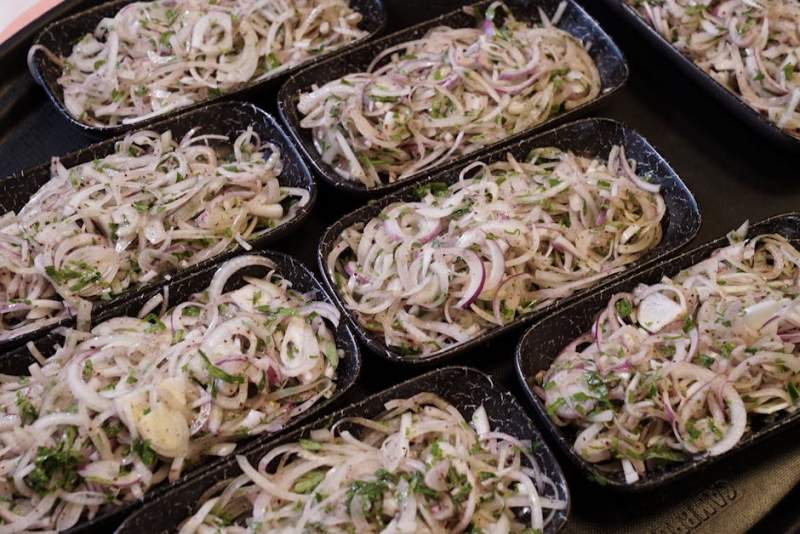
When blood sugar swings hard, the body acts like it’s constantly trying to catch up. You feel it in the heavy eyelids, the brain fog, the shaky hunger that shows up even when you just ate, and the irritability that makes a normal afternoon feel too loud.
That’s not weakness. That’s a control system getting knocked around by food that lands too fast and too hard.
The supplement machine barely whispers about fixes like this because there’s no glossy bottle story here. Nobody built a Super Bowl ad around a red onion jar sitting on a kitchen counter, and that’s exactly why it gets ignored.
But the body doesn’t care about branding. It cares about what slows the rush, what cools the internal fire, and what keeps the next hour from turning into a sugar chase. And the next part is where the vinegar becomes more than flavor.
Why the Vinegar Changes the Game
Vinegar acts like a traffic cop at the mouth of the stomach. It slows the pace, softens the spike, and changes how aggressively that meal moves into the bloodstream.
Picture pouring thick syrup through a funnel versus a steady stream. Same liquid, different damage. That’s the difference a sharp vinegar brine can make when it’s paired with a meal that would otherwise hit too fast.
And what it does next is why this works differently from plain raw onion. The onion brings the compounds; the vinegar changes the delivery. The two together create a one-two hit that feels less like a garnish and more like a metabolic speed bump.
That matters most when the plate is heavy with bread, rice, potatoes, or anything that normally leaves you staring at the clock an hour later. The body gets a different signal, and the difference shows up where you live your day: in your focus, your patience, your appetite, your ability to keep moving without hunting for sugar.
Why does that feel so unfairly simple? Because the cheapest fix is usually the one the loudest voices skip. And once you see what happens after the meal, the benefits stop looking small.
What Changes When the Jar Lives in Your Fridge

For the person who keeps getting ambushed by the post-lunch slump, this turns into a tiny ritual with outsized impact. A forkful on eggs, a spoonful on chicken, a pile on salad — suddenly the meal has bite, brightness, and a kind of internal steadiness that plain food doesn’t deliver.
The sensory part matters too. That pink crunch against warm rice, that sour snap on a burger, that onion sting on the tongue — it wakes up the meal so you feel satisfied faster and stop chasing the next snack.
For someone trying to keep blood sugar steadier, that’s relief in plain sight. The afternoon doesn’t have to feel like a slow leak of energy, and the kitchen doesn’t have to be another place where your willpower gets chewed up.
One specific thing changes the whole experience: the way you prep the onion before it ever meets the brine. Get that wrong, and you flatten the very compounds you were trying to keep.
Get it right, and the jar becomes a small daily lever — not a cure, not magic, just a sharp tool that makes the next meal behave better than the last one.
P.S.
Don’t drown the slices in sugary brine and call it “health food.” That glossy, candy-pink bath can turn a sharp metabolic helper into a sweet-tasting distraction, especially when the onions sit limp and soggy instead of crisp and alive.
The next detail is the one that separates a forgettable jar from the version people keep reaching for — and it starts with one pairing most kitchens completely miss.
This article is for informational purposes only and does not replace professional medical advice. Please consult your healthcare provider for personalized guidance.