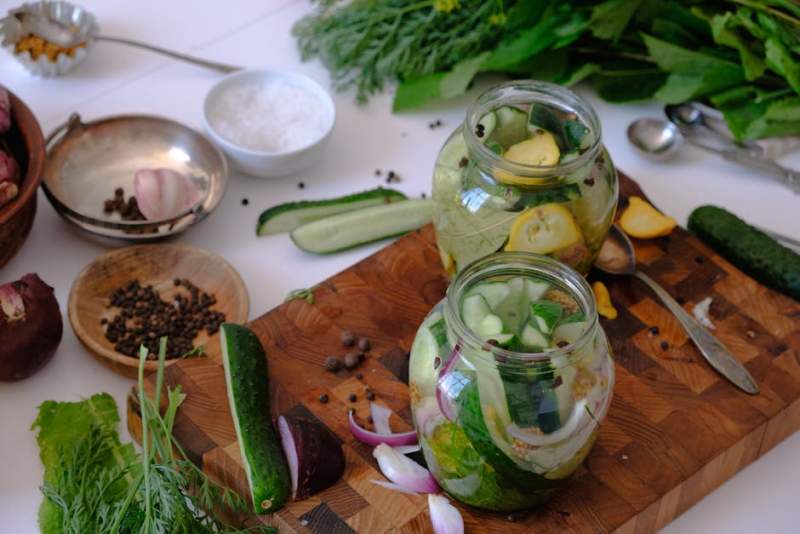
That jar of red onion pickles does more than add color to a plate. The vinegar loosens the pace of digestion, while the onion brings in compounds that quietly change how the body handles a meal — like putting a speed bump on a road that used to turn into a racetrack after lunch.
That matters when your blood sugar keeps drifting up and down, and the afternoon turns into a foggy stretch where focus slips, hunger comes back too fast, or you feel oddly flat after eating. The meal looked normal. The crash did not. What’s usually missing is a small food detail that slows the whole chain reaction before it gets loud.
This is where the simple jar starts acting differently inside the body.
The Glucose Gate Hidden in the Brine
Think of a meal like water pouring into a sink. If the drain is wide open, everything rushes through at once. If something narrows the opening a little, the flow becomes steadier and easier to handle.
That’s the role red onion pickles play at the table. The vinegar changes the pace of stomach emptying, and the onion adds the kind of cleanup compounds that help the body deal with the messier side of a carb-heavy meal. Not dramatic. Just enough to make the rise after eating less jagged.
Inside the onion, quercetin is one of the standout compounds. It’s part of the reason red onions have earned attention for more than flavor, because it helps clear oxidative buildup that can make normal blood sugar handling feel sluggish.
The simplest fixes tend to get the least attention. That’s not a conspiracy — it’s just how incentives work. Nobody builds a giant marketing machine around a vegetable you can slice on a cutting board, but the body still responds to it.
And once you see it that way, the rest starts making sense.
Why the Afternoon Crash Feels So Familiar
For a lot of people, the problem isn’t one giant spike. It’s the small rises that keep happening meal after meal until the body feels like it’s always correcting course. One lunch too fast, one snack too sweet, one afternoon coffee to patch the dip — and the pattern starts to feel normal.
That’s the quiet trap. The body spends all day playing catch-up, like a kitchen sink with a weak drain that never quite clears before the next load of dishes arrives.
Red onion pickles fit into that pattern because they don’t ask for a separate routine. They sit next to eggs, sandwiches, grilled meat, rice bowls, and salads, changing the meal without turning it into a project.
That’s why people notice them in real life, not just on a label. Lunch feels a little less heavy. The drive home feels less like a mental slog. The second trip to the pantry doesn’t happen quite so fast.
Why Women Notice the Shift in a Different Way
When blood sugar swings show up in women, they often show up as more than hunger. The afternoon can bring irritability that feels out of nowhere, a strange drop in patience, or that wired-but-tired feeling that makes everything feel slightly harder than it should.
Red onion pickles help by changing the shape of the meal itself. The vinegar and onion together act like a smaller, steadier pour into the system, instead of a splash that leaves the body scrambling for balance.
Picture a woman finishing lunch between meetings, then realizing she’s not hunting for a cookie at 2:30. She keeps working. She stays a little more even. The day doesn’t suddenly become perfect, but it stops feeling like every meal comes with a penalty.
That steadier feeling is the payoff people keep chasing with complicated plans, when the real shift often starts with the food sitting beside the main dish.
Why Men Tend to Feel It in the Energy Curve
Men often notice the problem as a drop in drive more than a sweet craving. The body feels slower, the brain gets dull at the edges, and the couch starts looking better than the walk that was supposed to happen after dinner.
Red onion pickles matter here because they help smooth the meal’s impact instead of adding another heavy layer to it. The result is cleaner circulation of fuel, less of that stuffed-but-still-unsatisfied feeling, and a better chance that energy stays usable instead of disappearing into a slump.
Think of a car running with old oil. It still starts. It still moves. But everything feels a little stickier than it should, and the effort shows up everywhere.
That’s the difference a sharper meal can make. Not magic. Just less drag.
The Part Most People Miss About the Onion Itself
Pickling does more than make red onion easier to eat. It turns a sharp, raw ingredient into something you’ll actually use often enough for it to matter. That matters because consistency beats intensity every time.
The onion brings in the raw material the body actually uses to handle oxidative stress, while the vinegar helps the meal land more gently. Together, they give the system a foothold it hasn’t had when lunch is mostly bread, pasta, or something sweet and fast.
The first thing people notice is not a lab result. It’s the absence of the old pattern. Fewer mid-afternoon dips. Less urgency for a snack. A little more room between eating and crashing.
That’s also why this kind of food gets overlooked. There’s no patent on a red onion, and no subscription model for a jar in the fridge. The body doesn’t care about the marketing. It cares about what reaches the plate.
Where the Shift Shows Up First
For some, it starts with the stomach. Meals feel less bloated and less heavy, like the body is moving through them instead of getting stuck behind them.
For others, it shows up in the mind. The fog lifts a little earlier. The afternoon feels more usable. The little tasks that used to feel annoyingly hard stop carrying so much weight.
And for plenty of people, it shows up in the cravings. The hand doesn’t reach for the sweet thing quite as automatically because the meal already had enough contrast, enough sharpness, enough staying power.
A small jar on the table can change the whole rhythm of a meal when it replaces the bland, fast kind of eating that leaves the body doing extra work.
That’s the quiet value of red onion pickles. They don’t need a big announcement. They just keep showing up where the body needs less noise and more balance.
P.S.
One detail changes how well this works: don’t drown the onions in sugar-heavy brine. A lot of store-bought versions turn a useful condiment into a sweet side dish, and that changes the whole effect at the table.
Keep the brine simple, let the onion stay sharp, and the next thing worth looking at is what happens when you pair it with protein instead of starch alone.
This article is for informational purposes only and does not replace professional medical advice. Please consult your healthcare provider for personalized guidance.