One chopped onion, a smashed bulb of garlic, and a knobby piece of ginger sitting in a cold jar can do something your supplement shelf never will: it forces a raw biological reset inside a body that feels sluggish, puffy, and slow to wake up.
That’s why this simple kitchen jar keeps showing up in conversations about stiff joints, foggy mornings, heavy digestion, and the kind of low-grade inflammation that makes everything feel harder than it should.
You don’t need another glossy powder with a celebrity label. You need the old, ugly, pungent stuff that still carries the original chemistry.
And the cheap little trio in that jar is exactly where the body starts paying attention again.
The morning your body stops dragging
The first thing people notice is the difference between waking up and actually feeling awake. The face looks less swollen, the fingers don’t feel like stiff rubber bands, and the body stops acting like it spent the night sleeping in wet cement.
That’s the work of the onion’s rust-stripping compounds, garlic’s cell-activating sulfur punch, and ginger’s fire-smothering chemistry moving through the system like a cleanup crew after a long, dirty shift.
Think of your body like a kitchen sink trap loaded with greasy sludge. When the drain narrows, everything backs up: energy, circulation, digestion, comfort. This jar doesn’t “decorate” the system — it starts loosening the grime that makes the whole house run slow.
The $100-billion wellness machine barely whispers about a jar of produce from the grocery aisle.
There’s no patent hiding in an onion. No boardroom can package “smash it, chill it, wait, then use it” and slap an $89 label on top.
That’s why the loudest health marketing usually points you away from the simplest fix.
Why the gut feels lighter first
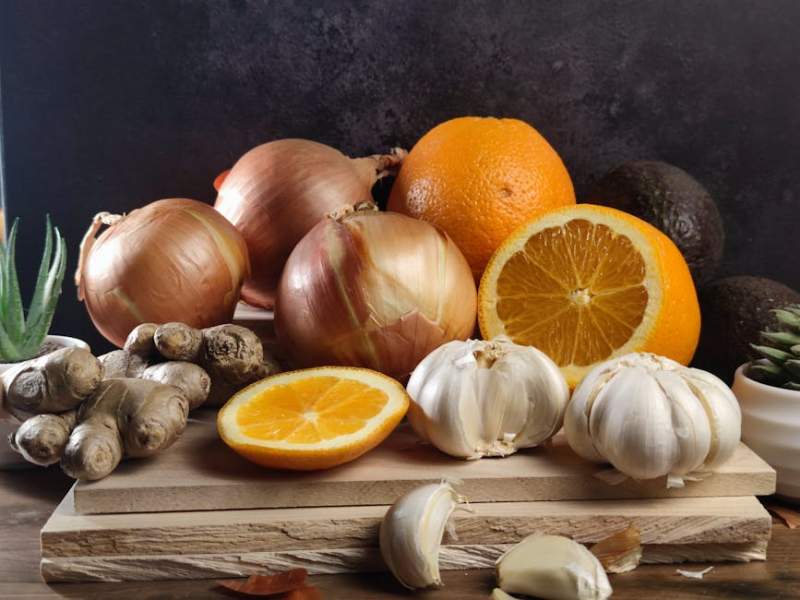
Raw garlic and ginger don’t just sit there looking dramatic. They trigger a second-brain response in the belly, where sluggish digestion and bloated pressure often start the whole downward spiral.
When the belly is overloaded, it’s like a garbage disposal jammed with fibrous scraps and grease. The motor still spins, but the whole sink starts to smell wrong. Ginger cuts through that heaviness, while garlic and onion help clear out the stale, stagnant feeling that makes meals sit like bricks.
After a few days of consistency, the shift shows up in how breakfast feels. Less ballooned. Less tight. Less of that “I ate something and now my body is arguing with me” sensation.
That’s the hidden power here: it doesn’t just feed you. It changes the terrain.
And once the belly stops fighting every meal, everything downstream gets easier.
Why circulation starts to feel less frozen
Garlic is famous for one reason: it switches on a hot river of fresh blood surging into dormant tissue. Not in some vague wellness sense — in the practical sense that hands, feet, and tired muscles stop feeling like they’re running on old, thick engine oil.
Picture a winter driveway covered in packed slush. Nothing moves cleanly until someone breaks the ice and opens a path. Garlic does that kind of work inside the body, while onion adds its own cleanup chemistry and ginger keeps the whole process from feeling like a cold start on a dead battery.
That’s why some people feel the shift in their legs first. The heaviness eases. The sluggishness backs off. The body starts acting less like a parked car and more like one that finally caught the right fuel.
Wall Street doesn’t build empires around vegetables.
They build them around complicated bottles, long ingredient lists, and promises that sound advanced enough to be expensive. Meanwhile, the produce aisle sits there with the real machinery of renewal.
The ugly truth is simple: the cheapest fix gets the least airtime.
The cold jar is not a gimmick
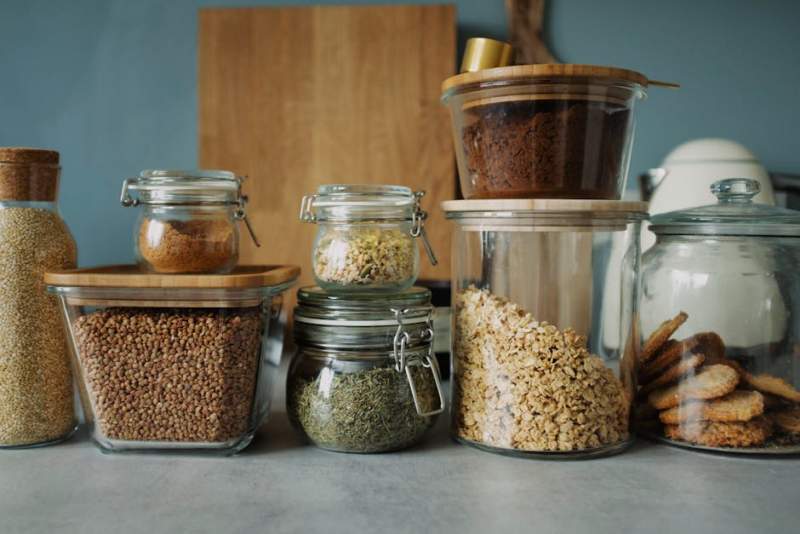
This is where the process gets interesting. When onion, garlic, and ginger are chopped and left to rest together in the cold, the juices start to mingle instead of being blasted apart by heat.
Heat is a shredder. A fridge is a holding chamber. One destroys delicate compounds; the other lets them gather, settle, and stay intact long enough for your body to use them.
Think of it like marinating a cut of meat versus throwing it straight onto a screaming-hot pan. One approach gives the ingredients time to fuse. The other burns off what you were trying to keep.
That’s why the jar matters. It’s not just storage — it’s a slow-release chemistry chamber sitting in your refrigerator.
Over time, the pattern gets clearer: the sharp bite softens, the liquid deepens, and the whole mixture becomes easier to work with in food. Not weaker. Better organized.
Why women notice it in a different way
For women carrying the burden of puffiness, sluggish mornings, and that weird all-day drag that doesn’t match the amount of sleep they got, the change often shows up in the mirror before it shows up on a lab report.
The face looks less tired. The rings slide on easier. The body feels less like it’s holding onto yesterday’s stress in every tissue.
That’s because the same internal flame killers that help quiet inflammation also reduce the sense that the body is constantly bracing itself. It’s like unclenching a fist you didn’t realize you’d been making for years.
And once that tension drops, the day stops feeling like a wrestle.
Why men feel the shift through energy and drive
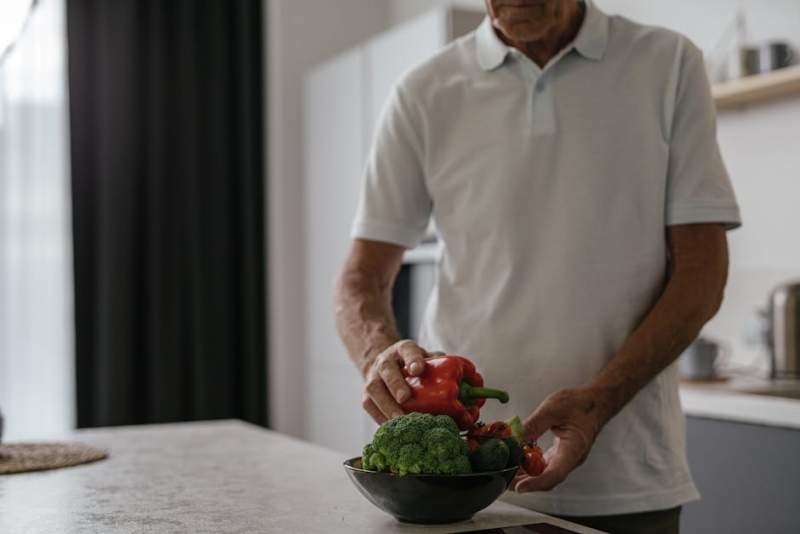
For men, the first clue is often not some dramatic miracle — it’s the return of cleaner energy. Less afternoon crash. Less dead-weight fatigue. Less of that “I’m moving, but I’m not really moving” feeling.
When circulation improves and the body stops running through sludge, the engine stops sounding strangled. That matters everywhere: in the gym, at the desk, in the morning, and in the way the body carries itself through the day.
It’s like changing a clogged air filter in a truck that’s been coughing for months. The whole machine doesn’t become new. It just starts breathing like it should have all along.
Try pitching “just eat the vegetable” to a boardroom full of executives — see how fast they change the subject.
And that’s why nobody told you. Not because it doesn’t work — because it doesn’t pay.
The part that decides whether it works or fizzles
There’s one common kitchen habit that quietly wrecks the whole jar: blasting these ingredients with heat too soon.
Cook them hard, and you flatten the very compounds you wanted in the first place. Keep them raw, keep them cold, and let them sit together so the juices can build a concentrated little reservoir at the bottom of the jar.
Then use that mixture where it belongs: as a sharp finishing touch, not as a scorched afterthought.
That one shift changes the entire experience.
And the next layer is even more important: what you pair it with determines how much your body actually holds onto.
The pairing that makes the body grab it
On its own, the mixture can move through you like a courier with no address. But when it’s paired with healthy fat, the compounds get a ride instead of getting tossed aside.
It’s the difference between handing someone a letter and handing them a sealed envelope with the right destination already written on it.
That’s why a spoonful with eggs, avocado, or olive oil changes the game. The fat acts like a delivery truck, hauling the active compounds into the bloodstream where they can do the real work.
One common kitchen habit neutralizes this compound before it ever reaches your bloodstream: pairing it with the wrong prep and the wrong container. Use glass, keep it raw, and let the cold do its slow, quiet work.
The next piece is the one most people miss entirely.
This article is for informational purposes only and does not replace professional medical advice. Please consult your healthcare provider for personalized guidance.