Rice water is the starchy liquid that leaks out of rice, and it hits the exact problems the post promises: dull hair, tired-looking skin, and that frustrating “I’m spending money but nothing changes” feeling. The reason it gets called gold is simple — it carries raw biological fuel the body can actually use on the outside, where dry strands and rough skin are begging for relief.
By the time your hair looks flat and your face looks drained, it’s not because you’re “doing everything wrong.” It’s because the surface has been starved, scrubbed, and stripped until it can’t hold moisture or shine the way it once did.
That’s where rice water slips in like a rescue line from the pantry. Not as a miracle potion, but as a starchy, milky wash loaded with molecular brooms, fire-smothering compounds, and the kind of rebuilding material beauty products love to imitate with a $48 label.
The ugly truth is that most routines attack the hair and skin first, then act surprised when they look exhausted.
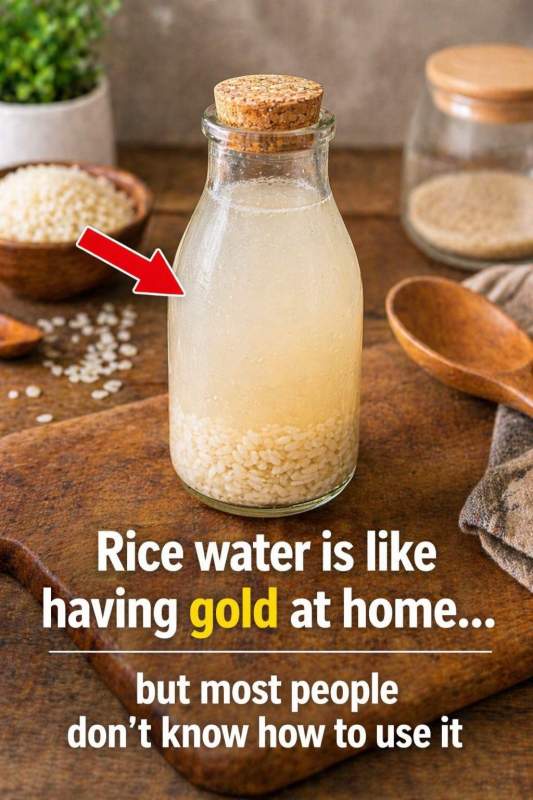
The Hidden Reset Behind Rice Water
Think of your hair and skin like a house with a cracked roof and a leaky window. Every harsh wash, every hot blow-dry, every aggressive cleanser is another storm pushing through the damage.
Rice water changes the environment. The starch clings, the inositol helps coat the surface, and the fluid leaves behind a thin film that makes rough fibers behave less like straw and more like something that can bend without snapping.
The first thing people notice is not some dramatic overnight transformation. It’s the small, almost annoying details: hair that stops snarling into a knot the second you touch it, skin that feels less sandpapered after cleansing, strands that don’t look as thirsty by noon.
And here’s why nobody built a Super Bowl ad around a bowl of rice and water: there’s no patent hiding in a kitchen staple. The supplement industry would go bankrupt if people knew how often the cheapest fix is sitting in plain sight.
What makes this useful is not mystery — it’s contact. When that cloudy liquid reaches the scalp or face, it works like a thin coat of varnish on worn wood, smoothing the jagged edges so light hits differently.
Why Hair Feels the Shift First
Hair is the easiest place to see the change because damaged strands scream for help. They snag on towels, puff up in humidity, and look dull because the outer layer is rough like a frayed rope.
Rice water floods those tired fibers with a slicker, starch-heavy layer that helps them lie down instead of sticking out in every direction. That means less drag when you comb, less breakage when you style, and less of that brittle, straw-like snap that makes you want to cut everything off.
Picture a bathroom mirror at 7 a.m. Your brush glides through instead of fighting every inch. The ends look less fried, and your hair catches light instead of swallowing it whole.
That is the difference between hair that has been battered and hair that has been given a chance to settle.
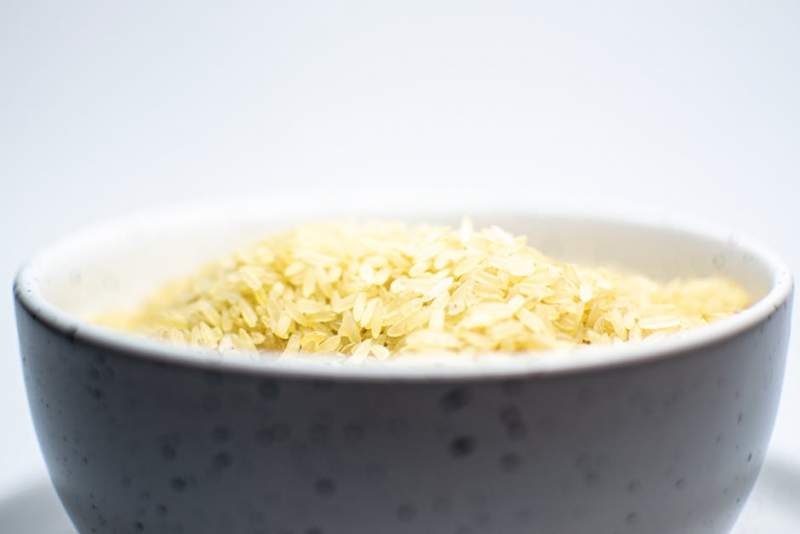
Fermented rice water pushes the effect further because the longer soak changes what the liquid carries. It becomes sharper, more active, and more capable of coating the strands with a finish that feels closer to restoration than decoration.
Why Skin Looks Softer Instead of Drier
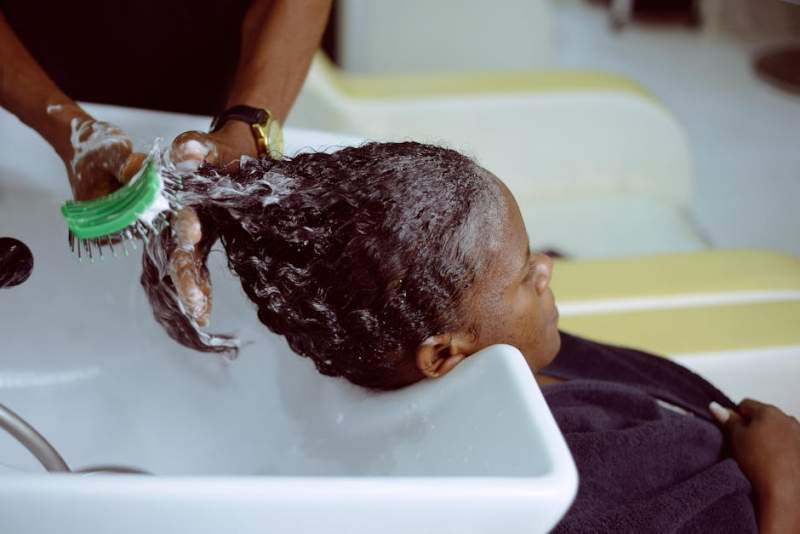
Skin tells the same story in a different language. When the barrier is stressed, your face looks tired, makeup sits weird, and everything feels like it’s pulling in opposite directions.
Rice water acts like a light rinse that leaves behind a smoother surface, almost like wiping a dusty countertop with a clean damp cloth instead of another dry paper towel. The goal is not to flood the face with heaviness — it is to quiet the roughness that makes skin look older than it feels.
After a few uses, the shift shows up in the boring places that matter most: less tightness after cleansing, less of that chalky look on the cheeks, and a face that feels less like it’s fighting the day before breakfast.
That matters because the beauty machine sells complexity. It wants you layering six products deep while the simplest rinse in the kitchen already knows how to soften the surface and calm the visual chaos.
Use it like a toner, and you’re basically giving the skin a fresh coat of water-thin support instead of another chemical punch to the barrier.
The Quiet Payoff Nobody Talks About
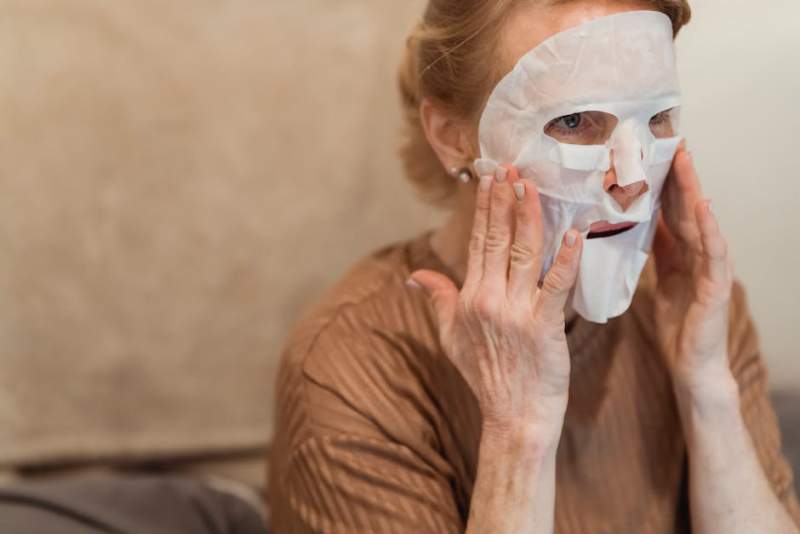
The real payoff is not just “glow.” It’s the feeling that your routine finally stops working against you.
When hair stops soaking up every ounce of friction and skin stops looking like it has been dragged through a dry windstorm, the whole morning changes. You spend less time rescuing your appearance and more time living inside it.
That is why rice water keeps surviving across generations. It is cheap, easy, and brutally practical. No logo, no hype machine, no glossy bottle pretending to be ancient wisdom in a lab coat.
The cheapest beauty fix gets the least airtime, and that is exactly why it keeps getting overlooked.
Used consistently, it becomes less of a trick and more of a rhythm — a small, repeatable rinse that helps hair lie flatter, skin feel less parched, and your whole routine feel less like a money pit.
P.S. One Common Habit Wrecks the Whole Thing
Boiling the rice into a heavy, sticky mess and slapping that on without dilution can backfire fast. The liquid gets too dense, leaves residue, and turns hair into a coated, dull-feeling tangle instead of giving it that clean, smoother finish.
Start with the lighter soak, keep the application simple, and let the starch do its work without burying the strands. The next thing that changes everything is the pairing — one small ingredient turns rice water from basic to far more effective.
This article is for informational purposes only and does not replace professional medical advice. Please consult your healthcare provider for personalized guidance.