Almond milk with guar gum, carrageenan, polysorbate 80, and lecithin does not just “stay creamy.” It behaves like a molecular soap, dragging across the mucus shield that protects your intestine and leaving the wall underneath raw, exposed, and irritated.
That is why the same glass that looks clean, trendy, and harmless can leave your belly twisting, your mornings feeling off, and your stomach acting like it has a hair-trigger alarm. The problem is not your imagination — it is the daily chemical pressure on the lining that keeps your gut sealed.
Most people blame the coffee, the bread, the stress, the late dinner. Meanwhile, the real damage keeps coming from the “healthy” carton in the fridge, the one built to look smooth on the shelf and ruthless inside your body.
The wellness machine loves that kind of product. It sells convenience, texture, and a polished label while the intestine pays the bill in irritation, bloating, and that weird heavy feeling you cannot quite explain.
What looks like a simple plant drink can turn into a slow internal scrub.

The Gut Shield They Keep Wearing Down
Think of your intestinal lining like a freshly waxed floor with a clear protective coat on top. That coat is not decoration — it keeps debris, bacteria, and irritants from grinding directly into the surface below.
Now pour in a drink packed with emulsifiers. It is like mopping that floor with a degreaser every single day and acting shocked when the shine disappears and the surface starts to dull, peel, and pick up damage.
That mucus layer is your first wall of defense. When it thins, the intestine stops acting like a tight security gate and starts acting like a screen door with broken hinges.
That is when the body gets loud. Gas, distension, stomach pressure, loose mornings, and a strange sense that your gut is never fully settled begin to stack up like unpaid invoices.
The first thing people notice is not drama. It is the quiet, annoying drag: the belly that swells after breakfast, the jeans that feel tighter by noon, the digestive system that seems irritated by everything.
The ugly part is how normal it starts to feel. You stop calling it a problem and start calling it “just how your stomach is.”
Why Women Feel It in the Belly First
For many women, the signal shows up as bloating that seems to arrive out of nowhere. One “healthy” drink in the morning and by mid-morning the abdomen feels puffy, tense, and ready to burst out of your clothes.
It is like wearing a beautiful coat with a torn lining underneath. From the outside, everything looks put together; inside, every movement rubs against something irritated and worn down.
That is the Intestinal Barrier Drain in action: the mucus shield gets stripped back, the gut wall gets more exposed, and the body starts reacting to what should have stayed harmlessly contained.
The emotional payoff is simple and brutal: your body stops feeling like it is fighting you after every meal. The belly is calmer, the pressure eases, and the day no longer starts with a stomach that feels under siege.
Why Men Call It “Low Energy” Instead

For many men, the same damage does not announce itself as “digestive trouble.” It shows up as heaviness, sluggish focus, and a body that feels like it is dragging a soaked backpack uphill.
That is what happens when the gut keeps taking hits and the inflammation never fully cools down. The second brain in your belly is constantly dealing with irritation, and the rest of you pays for it in fog, fatigue, and a strange flatness that coffee cannot fix.
Think of it like a clogged air filter in a truck engine. The machine still runs, but it runs hot, inefficient, and angry — burning more fuel just to do the same job.
Over time, the pattern gets clearer: less bloat is not the only win. The whole day feels less sticky, less sluggish, less like you are pushing through wet concrete from breakfast to dinner.
The cheapest-looking fix is often the one the industry hopes you never inspect too closely.
The Hidden Reason the Carton Wins

The supplement and beverage industries do not build empires around plain almonds and water. They build them around texture tricks, shelf stability, and ingredients with names that sound harmless until you see what they do inside the body.
Wall Street does not fall in love with a kitchen blender. That is why the label gets crowded with stabilizers and emulsifiers — the product has to look smooth, even when the body would be better off without the chemical scaffolding.
This is the part that should make you angry: the carton is designed to be visually pleasing, not biologically respectful. It is engineered for the shelf first and the intestine second.
So the real question is not whether almond milk is “plant-based.” The real question is whether your daily version is quietly sanding down the lining that keeps your gut protected.
Once that shield is worn, the body spends more energy defending itself than digesting food. That is a terrible trade.
The Version That Changes the Game
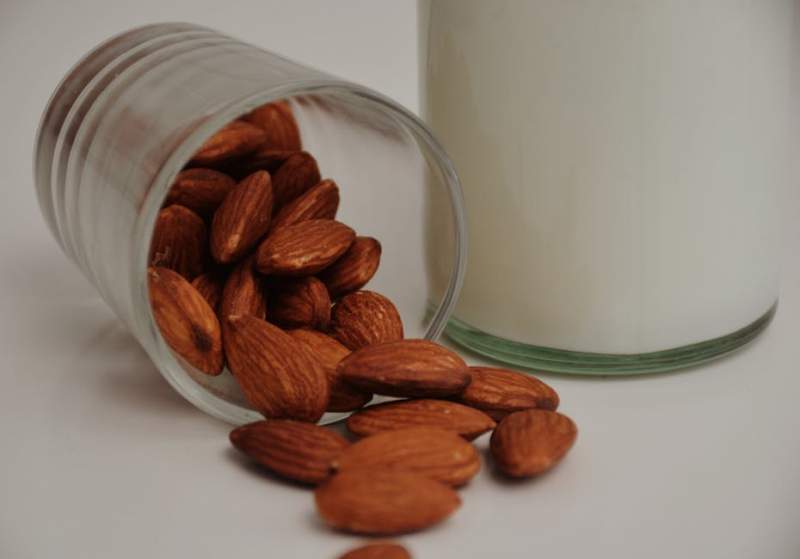
Make it yourself, and the whole dynamic shifts. Almonds, water, maybe a pinch of salt — no industrial glue, no shelf-stabilizing chemistry, no fake creaminess bought with intestinal irritation.
It is like choosing a clear window over frosted glass. You do not need extra coatings when the point is simply to let the body receive something clean and uncomplicated.
The first thing many people notice is that breakfast stops feeling like a gamble. Then the belly feels less reactive, less swollen, less ready to flare at the slightest provocation.
After a while, the day itself changes. Fewer digestive ambushes. Less pressure. Less of that full, unhappy, overworked feeling that follows you around for hours.
The body does not need more disguise. It needs less abrasion.
The One Habit That Ruins the Whole Thing
Buying the “healthy” version and drinking it daily without reading the label is the trap. If the carton is packed with gums, lecithins, carrageenan, or polysorbates, you are not getting a clean plant drink — you are getting a texture formula.
That one habit turns a better choice into a daily gut scraper. The fix is not complicated, but it does require one uncomfortable move: stop trusting the front of the package and inspect the back like your intestine depends on it.
And the next layer matters even more: one simple pairing can make a homemade version sit far better in the body than the store-bought version ever will.
This article is for informational purposes only and does not replace professional medical advice. Please consult your healthcare provider for personalized guidance.