Garlic doesn’t just sit in the kitchen and smell strong. It throws sulfur compounds straight into the damp, cramped battlefield where athlete’s foot and that peeling, burning skin between the toes try to take over.
That itching under the arch. That raw, stingy skin when you pull off your socks. That flaky edge around the toes that looks like your foot is shedding its own armor. This post is talking directly to that mess.
The real enemy is not “dirty feet.” It’s the warm, trapped, sweaty pocket inside a closed shoe — a five-star hotel for fungus. Leave that environment alone long enough, and it starts acting like it owns the place.
Here’s the ugly truth the big wellness machine barely whispers: your body already knows how to push back, but it gets starved of the raw biological fuel that keeps the terrain hostile to the intruder. Garlic floods that terrain with fire-smothering compounds and turns the whole setup against the fungus.

The blast inside a trapped foot
Think of the skin between your toes like a folded towel left wet in a dark bathroom. The moisture doesn’t just sit there — it breeds trouble, traps heat, and softens the skin until it becomes easy to irritate and easy for fungus to spread.
Garlic brings in allicin and related sulfur compounds that hammer the outer structure of the fungus and scramble its internal machinery. It’s less like a lotion and more like pouring degreaser into a drain packed with slime.
The first thing people notice is not some mystical transformation. It’s the itching losing its grip, like a siren being turned down one notch at a time.
After that, the burning between the toes starts to back off. The skin stops looking as angry, as if the red, cracked surface is finally getting a chance to breathe instead of being sealed inside a humid prison.
And that is why the produce aisle keeps getting ignored by the machine. Nobody builds a glossy ad campaign around a bulb of garlic with no logo and no patent.
Why men feel the shift first
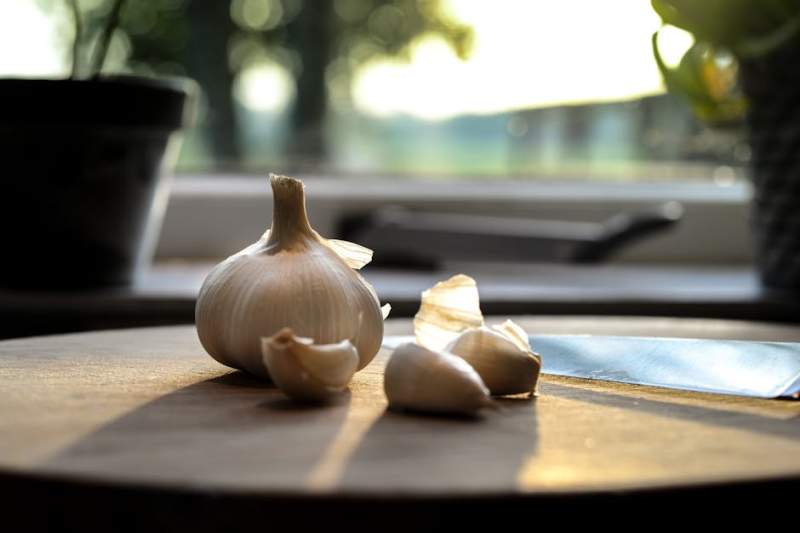
Men often brush this off until the shoe comes off and the smell hits the air like a slap. Work boots, gym sneakers, long shifts, sweaty socks — that combination turns the foot into a sealed incubator.
Garlic helps by changing the ground the fungus feeds on. It’s like scraping grease off a filter that’s been choking for years; once the buildup loses its grip, the whole system starts moving differently.
So the morning changes in small, brutal ways. You slide into your socks and don’t get that sharp little stab between the toes. You bend to tie your shoes and don’t feel the urge to claw at your own foot in secret.
That’s the shift: less irritation, less odor, less of that low-grade panic that makes you hope nobody notices when you kick your shoes off.
Why women notice it in a different way
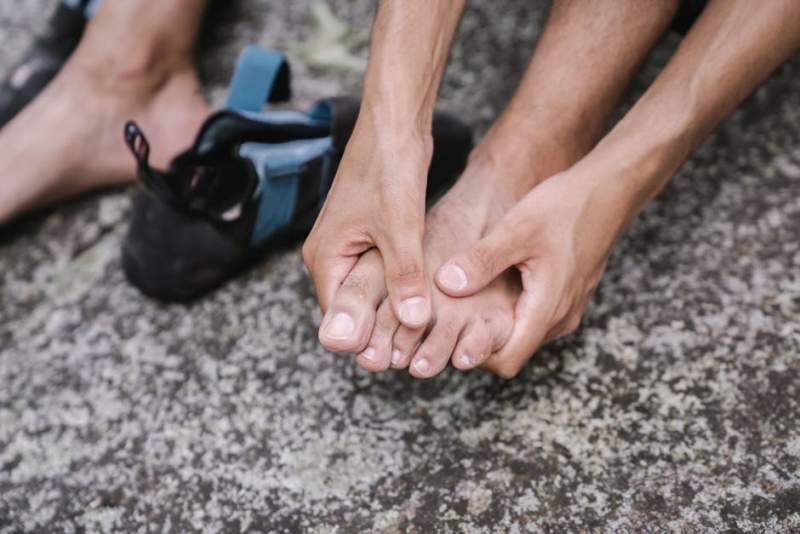
For many women, the damage is not just physical. It’s the embarrassment of taking off shoes at someone else’s house, the silent dread of noticing the smell in a closed room, the frustration of seeing the skin keep splitting no matter how carefully you wash it.
Garlic works here like a hard reset on a stale closet. It doesn’t just cover the problem; it changes the environment that lets the problem keep returning.
Once the terrain dries out and the fungal pressure drops, the foot feels less sticky, less inflamed, less like a piece of skin that has been sanded raw. You notice it when you change shoes and the damp feeling isn’t there. You notice it when the skin no longer protests every time you move.
That’s the part most people miss: the goal is not to fight the foot forever. The goal is to make the foot a terrible place for fungus to live.
The hidden mechanism nobody likes to talk about

Garlic is not acting like a gentle little herb. It is forcing a hostile internal shift. The sulfur compounds interfere with the fungus’s ability to keep its walls intact, keep multiplying, and keep spreading across the skin.
Use the wrong setup, though, and you sabotage the whole thing. A foot sealed in moisture, stuffed back into the same sweaty shoe, is like mopping a floor while the faucet is still running.
That’s why the surrounding habits matter as much as the garlic itself. Dry the spaces between the toes completely. Rotate shoes so they can air out. Change socks before they turn into a wet blanket.
When those pieces line up, the change becomes obvious in daily life. The foot feels less swollen and less irritated by the end of the day. The skin looks calmer, the odor loses its bite, and the constant background annoyance starts fading into the background where it belongs.
The pharmaceutical profit engine runs on complexity. It does not love a cheap kitchen bulb that can make the fungus’s favorite environment collapse.
The part that can wreck the whole process
Raw garlic pressed straight onto broken skin can burn like fire. That is not a small detail — it is the difference between helping the foot and lighting it up.
Used carelessly, it can turn an already angry patch into a hotter, more irritated mess. Used with the wrong habits around it, the moisture and friction keep feeding the problem while you think you’re treating it.
So the real leverage is not just the ingredient. It’s the combination: the garlic, the dryness, the airflow, and the refusal to keep giving fungus the same warm hiding place.
One small pairing changes everything next — and it’s the thing that helps garlic hit harder without turning the skin into a battlefield.
This article is for informational purposes only and does not replace professional medical advice. Please consult your healthcare provider for personalized guidance.